Jul 31, 2025
Jul 31, 2025
Automation vs. Agent: Understanding
Scaling Your Startup: Strategies for Growth
Scaling Your Startup: Strategies for Growth
In today’s digital era, businesses are leveraging technology to optimize processes, improve efficiency, and enhance customer experience. Two common approaches often discussed are Automation and Agent-based systems. While they may appear similar at first glance, they serve different purposes and operate in distinct ways. Understanding their differences helps organizations choose the right approach for their goals.

Content
Content
Content
What is Automation?
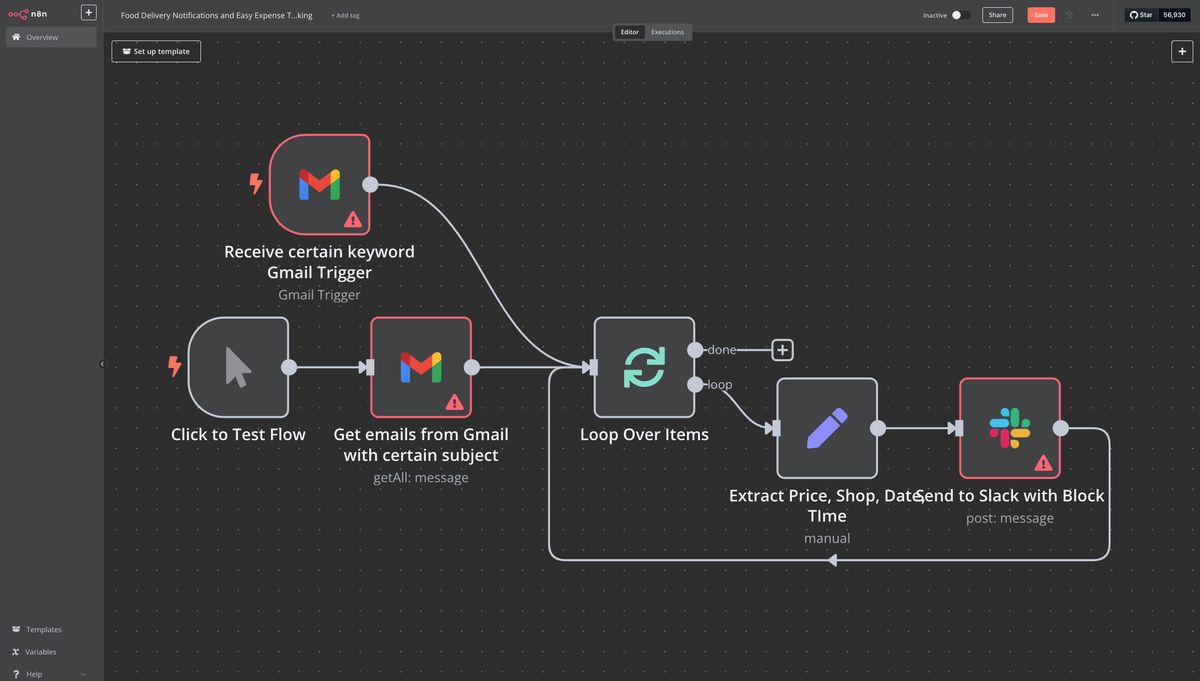
Automation refers to technology-driven processes that perform repetitive tasks with minimal human intervention. These systems follow predefined rules or workflows to execute tasks consistently and efficiently.
Key Features:
Task execution based on predefined rules
Minimal or no human intervention
High efficiency for repetitive processes
Predictable and consistent outputs
Common Applications:
Automating data entry or report generation
Sending notifications or reminders
Scheduled backups or routine system updates
What is an Agent?
An Agent is an intelligent system or program that can perceive its environment, make decisions, and take actions autonomously. Unlike simple automation, agents often incorporate AI, rules, or learning algorithms to respond to dynamic situations.
Key Features:
Can sense and respond to changes in the environment
Capable of decision-making based on inputs
Can learn or adapt over time (intelligent agents)
Operates autonomously within defined parameters
Common Applications:
Virtual assistants that interact with users
AI-based monitoring and decision-making systems
Adaptive customer support bots
Key Differences Between Automation and Agent
Feature Automation Agent
Decision-Making Follows predefined rules Can make decisions based on environment or inputs
Flexibility Low, rigid processes High, adaptive and intelligent
Human Intervention Minimal but predictable Minimal, may handle unexpected situations
Learning Capability None Can incorporate AI/learning
Application Routine, repetitive tasks Dynamic, complex problem-solving tasks
Choosing Between Automation and Agents
Automation: Ideal for repetitive, predictable tasks where consistency and speed are critical.
Agents: Best suited for dynamic environments requiring decision-making, adaptation, and interaction.
Conclusion
Automation and agents both improve efficiency and reduce manual effort, but they serve different purposes. Automation ensures consistency in routine tasks, while agents provide intelligent, adaptive solutions in complex or dynamic scenarios. By understanding their differences, businesses can implement the right technology to optimize workflows, improve decision-making, and enhance overall productivity.
What is Automation?
Automation refers to technology-driven processes that perform repetitive tasks with minimal human intervention. These systems follow predefined rules or workflows to execute tasks consistently and efficiently.
Key Features:
Task execution based on predefined rules
Minimal or no human intervention
High efficiency for repetitive processes
Predictable and consistent outputs
Common Applications:
Automating data entry or report generation
Sending notifications or reminders
Scheduled backups or routine system updates
What is an Agent?
An Agent is an intelligent system or program that can perceive its environment, make decisions, and take actions autonomously. Unlike simple automation, agents often incorporate AI, rules, or learning algorithms to respond to dynamic situations.
Key Features:
Can sense and respond to changes in the environment
Capable of decision-making based on inputs
Can learn or adapt over time (intelligent agents)
Operates autonomously within defined parameters
Common Applications:
Virtual assistants that interact with users
AI-based monitoring and decision-making systems
Adaptive customer support bots
Key Differences Between Automation and Agent
Feature Automation Agent
Decision-Making Follows predefined rules Can make decisions based on environment or inputs
Flexibility Low, rigid processes High, adaptive and intelligent
Human Intervention Minimal but predictable Minimal, may handle unexpected situations
Learning Capability None Can incorporate AI/learning
Application Routine, repetitive tasks Dynamic, complex problem-solving tasks
Choosing Between Automation and Agents
Automation: Ideal for repetitive, predictable tasks where consistency and speed are critical.
Agents: Best suited for dynamic environments requiring decision-making, adaptation, and interaction.
Conclusion
Automation and agents both improve efficiency and reduce manual effort, but they serve different purposes. Automation ensures consistency in routine tasks, while agents provide intelligent, adaptive solutions in complex or dynamic scenarios. By understanding their differences, businesses can implement the right technology to optimize workflows, improve decision-making, and enhance overall productivity.
What is Automation?
Automation refers to technology-driven processes that perform repetitive tasks with minimal human intervention. These systems follow predefined rules or workflows to execute tasks consistently and efficiently.
Key Features:
Task execution based on predefined rules
Minimal or no human intervention
High efficiency for repetitive processes
Predictable and consistent outputs
Common Applications:
Automating data entry or report generation
Sending notifications or reminders
Scheduled backups or routine system updates
What is an Agent?
An Agent is an intelligent system or program that can perceive its environment, make decisions, and take actions autonomously. Unlike simple automation, agents often incorporate AI, rules, or learning algorithms to respond to dynamic situations.
Key Features:
Can sense and respond to changes in the environment
Capable of decision-making based on inputs
Can learn or adapt over time (intelligent agents)
Operates autonomously within defined parameters
Common Applications:
Virtual assistants that interact with users
AI-based monitoring and decision-making systems
Adaptive customer support bots
Key Differences Between Automation and Agent
Feature Automation Agent
Decision-Making Follows predefined rules Can make decisions based on environment or inputs
Flexibility Low, rigid processes High, adaptive and intelligent
Human Intervention Minimal but predictable Minimal, may handle unexpected situations
Learning Capability None Can incorporate AI/learning
Application Routine, repetitive tasks Dynamic, complex problem-solving tasks
Choosing Between Automation and Agents
Automation: Ideal for repetitive, predictable tasks where consistency and speed are critical.
Agents: Best suited for dynamic environments requiring decision-making, adaptation, and interaction.
Conclusion
Automation and agents both improve efficiency and reduce manual effort, but they serve different purposes. Automation ensures consistency in routine tasks, while agents provide intelligent, adaptive solutions in complex or dynamic scenarios. By understanding their differences, businesses can implement the right technology to optimize workflows, improve decision-making, and enhance overall productivity.